
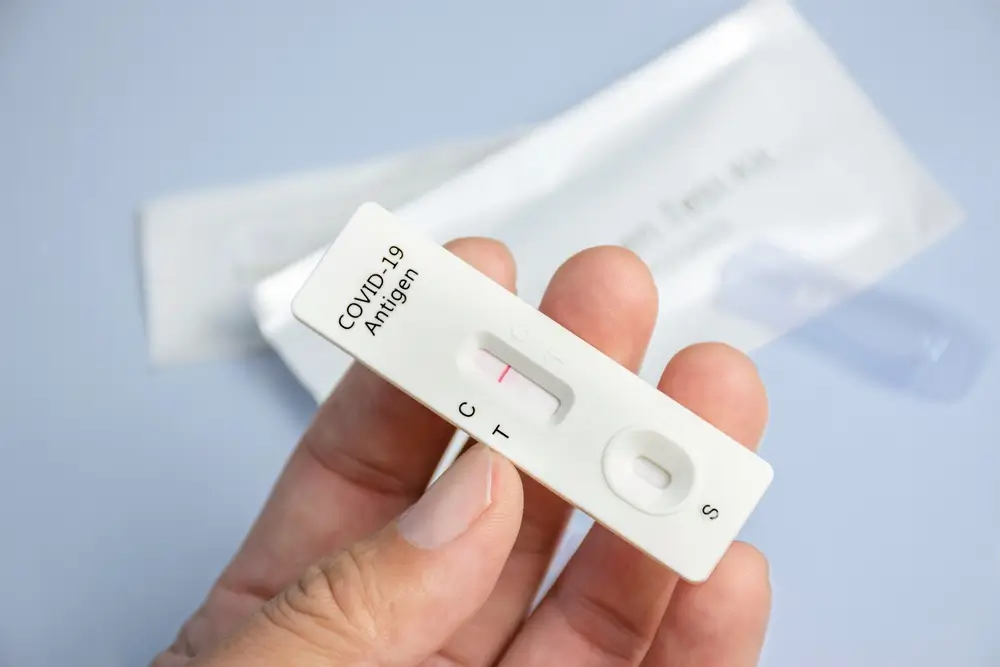
During the winter months, it can be difficult to tell whether you are dealing with a common cold, the flu, COVID-19, or RSV. These respiratory illnesses often share overlapping symptoms, yet they affect the body differently and may require different levels of care. Understanding the key differences can help you decide when symptoms can be managed at home and when it is time to seek medical care.
At ExpressMED, serving patients in Salem, NH and Manchester, NH, we see an increase in respiratory illnesses every winter. Knowing what to watch for can help you recover faster and protect those around you.
The Common Cold
The common cold is usually mild and develops gradually. Symptoms often include a runny or stuffy nose, sore throat, sneezing, mild cough, and fatigue. Fever is uncommon in adults but may occur in children.
Colds are typically caused by viruses such as rhinovirus and usually resolve within 7 to 10 days. Rest, hydration, and over-the-counter medications can help manage symptoms. While uncomfortable, a cold usually does not require medical treatment unless symptoms worsen or linger longer than expected.
Influenza (The Flu)
The flu tends to come on suddenly and is often more severe than a cold. Common symptoms include high fever, chills, body aches, fatigue, headache, cough, and sore throat. Many patients describe flu symptoms as feeling “hit by a truck.”
Flu symptoms can lead to complications, especially in older adults, young children, pregnant individuals, and those with chronic health conditions. Antiviral medications may help shorten the duration of illness if started early. If you experience a high fever, worsening cough, chest discomfort, or severe fatigue, visiting urgent care is recommended.
COVID-19
COVID-19 symptoms can range from mild to severe and may appear anywhere from two to fourteen days after exposure. Common symptoms include fever, cough, shortness of breath, fatigue, body aches, sore throat, congestion, headache, nausea, diarrhea, and loss of taste or smell.
Because symptoms can overlap with the flu or a cold, testing is often necessary to confirm COVID-19. Some individuals may experience prolonged symptoms or complications, especially those with underlying conditions. If you are experiencing difficulty breathing, chest pain, confusion, or persistent high fever, seek medical care promptly.
RSV (Respiratory Syncytial Virus)
RSV is a common respiratory virus that can affect people of all ages but can be especially serious for infants, young children, and older adults. Symptoms often resemble a cold at first, including runny nose, cough, sneezing, and fever. In more severe cases, RSV can cause wheezing, difficulty breathing, and dehydration.
For adults, RSV may feel like a lingering cold, but for vulnerable populations, it can lead to serious respiratory complications. If breathing becomes labored or symptoms worsen, medical evaluation is important.
How to Tell the Difference
While symptoms overlap, there are some key clues:
- Sudden onset with high fever and body aches often points to the flu.
- Gradual symptoms with congestion and sneezing are more consistent with a cold.
- Loss of taste or smell may indicate COVID-19.
- Wheezing or breathing difficulty in children or older adults can be a sign of RSV.
Testing and clinical evaluation are often the most reliable way to determine the cause.
When to Visit ExpressMED
You should consider visiting ExpressMED if you experience:
- Fever lasting more than three days
- Shortness of breath or wheezing
- Persistent cough or chest discomfort
- Severe fatigue or dehydration
- Symptoms that worsen instead of improve
- Exposure to someone with COVID-19 or the flu and developing symptoms
Our urgent care team can evaluate your symptoms, provide testing when appropriate, and recommend treatment or next steps to help you recover safely.
When to Go to the Emergency Room
Seek emergency care immediately for:
- Trouble breathing or bluish lips
- Chest pain or pressure
- Confusion or difficulty staying awake
- Severe dehydration
- High fever that does not respond to medication
Supporting Your Recovery
Regardless of the illness, rest, hydration, and symptom management are key. Staying home when sick helps prevent the spread of illness and protects your community. If you are unsure what is causing your symptoms, ExpressMED is here to help. Our convenient urgent care locations in Salem, NH and Manchester, NH provide timely evaluation and care so you can get answers and feel better faster.