
Hiking the trails, gardening in the backyard, or letting the kids run around in tall grass are all part of a New Hampshire summer. Unfortunately, so are ticks. June and July are peak season for tick bites across the Granite State, and New Hampshire consistently ranks among the states with the highest reported rates of Lyme disease in the country. Knowing how to prevent tick bites, remove a tick safely, and recognize early warning signs of Lyme disease can make a real difference in protecting your family. If a bite does turn into something more, ExpressMED’s walk-in urgent care clinics in Manchester and Salem, NH, are ready to help.
Why New Hampshire Sees So Many Tick-Related Illnesses
According to the New Hampshire Department of Health and Human Services and the CDC, an estimated 60 percent of blacklegged ticks, also called deer ticks, in New Hampshire carry the bacteria that causes Lyme disease. These ticks are active any time outdoor temperatures rise above 40 degrees, but bites and infections are reported most often during the warmer months from spring through fall, with June and July seeing some of the highest numbers each year. Lyme disease is the most common tickborne illness in the state, but blacklegged ticks here can also spread anaplasmosis, babesiosis, and other less common infections.
Where Ticks Hide and How to Avoid Them
Ticks do not jump or fly. They wait on tall grass, brush, and the edges of wooded areas, then latch on as a person or pet walks by. A few simple habits go a long way toward keeping them off you and your family.
- Stick to the center of cleared trails and avoid brushing against tall grass or low branches.
- Use an EPA registered insect repellent on skin and clothing, and consider permethrin treated clothing for extended time outdoors.
- Create tick-free zones in your yard using wood chips or gravel between lawns and wooded areas.
- Treat pets with a vet recommended tick prevention product, since they can carry ticks indoors.
- Shower soon after coming inside and do a full body tick check, paying close attention to the scalp, behind the ears, underarms, and behind the knees.
How to Remove a Tick the Right Way
If you find an attached tick, removing it correctly and quickly matters more than how you do it.
- Use fine-tipped tweezers and grasp the tick as close to the skin as possible.
- Pull upward with steady, even pressure. Do not twist or jerk, which can leave mouthparts behind.
- Clean the bite area and your hands with rubbing alcohol or soap and water afterward.
- Avoid folklore removal methods like petroleum jelly, nail polish, or heat, which do not work and can increase the risk of infection.
Removing a tick within 24 hours of attachment greatly lowers the chance of Lyme disease transmission, though some other tickborne illnesses can spread more quickly. Note the date of the bite so you can watch for symptoms over the following weeks.
Recognizing the Warning Signs of Lyme Disease
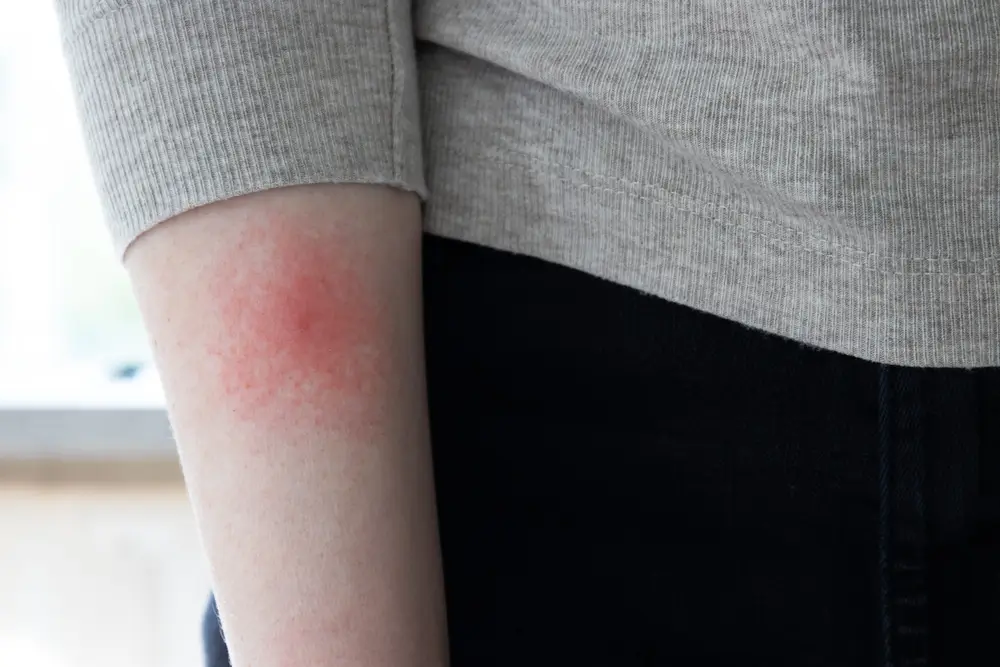
Early Lyme disease symptoms can appear anywhere from three days to a month after a bite. The classic sign is an expanding rash, known as erythema migrans, which sometimes has a lighter center resembling a bullseye, though it does not always look that way. Other early symptoms include fever, chills, headache, fatigue, and muscle or joint aches. If Lyme disease goes untreated, it can progress to more serious symptoms over weeks or months, including additional rashes, facial drooping, joint swelling, and heart or nervous system involvement. Catching it early and starting antibiotics promptly leads to the best outcomes.
When to Visit Urgent Care for a Tick Bite
Not every tick bite needs a clinic visit, but you should be seen if the tick was attached for more than 24 hours, if you cannot remove it completely, or if you develop a rash, fever, or flu-like symptoms in the days or weeks afterward. ExpressMED’s Urgent Care Services team in Manchester and Salem can safely remove an attached tick, evaluate any rash or symptoms, and start treatment quickly when early Lyme disease or another tickborne illness is suspected. No appointment is needed, and walk-in visits are typically faster and more affordable than a trip to the emergency room.
Keep Outdoor Summer Plans Without the Worry
A tick bite does not have to derail your summer. ExpressMED offers walk-in care at our Manchester Executive, Manchester Downtown, and Salem locations, with on-site lab services so we can evaluate symptoms quickly. Contact us with questions, or simply walk in during business hours if you or your family need to be checked out after time outdoors.
Frequently Asked Questions
How quickly does a tick need to be attached to spread Lyme disease?
Removing a tick within 24 hours significantly lowers the risk of Lyme disease transmission, though some other tickborne illnesses can spread more quickly. The best protection is checking for ticks daily after outdoor activity and removing any tick as soon as you find it.
Does every tick bite need a doctor visit?
Not every tick bite requires a visit, but you should be seen if you cannot fully remove the tick, develop a rash or fever in the days or weeks after, or are unsure how long the tick was attached. ExpressMED’s Manchester and Salem clinics offer walk-in evaluation, no appointment needed.
What does a Lyme disease rash look like?
The classic Lyme rash, called erythema migrans, often starts as a small red spot that expands over several days, sometimes with a lighter center that resembles a bullseye. Not every Lyme rash forms a bullseye, so any expanding rash after a tick bite should be evaluated.
Can Lyme disease be treated?
Yes. Lyme disease caught early is usually treated successfully with a course of oral antibiotics. The sooner treatment starts after symptoms appear, the lower the risk of complications.
Are there other tickborne illnesses besides Lyme disease in New Hampshire?
Yes. New Hampshire ticks can also carry anaplasmosis, babesiosis, and other less common infections. The team at ExpressMED can evaluate for these conditions if you develop symptoms after a tick bite.
Spending time outdoors is one of the best parts of a New Hampshire summer, and a little tick awareness goes a long way toward keeping it that way. If you find an attached tick you cannot remove, or notice a rash or flu-like symptoms after time outside, walk in to ExpressMED in Manchester or Salem for fast, affordable care.